In April 2025, BRIDGES and partner initiatives organized a two-day gathering titled Thinking with the Forest. Held in the outskirts of Cologne, the event aimed to explore the role of forests as relational, political, and epistemic spaces.
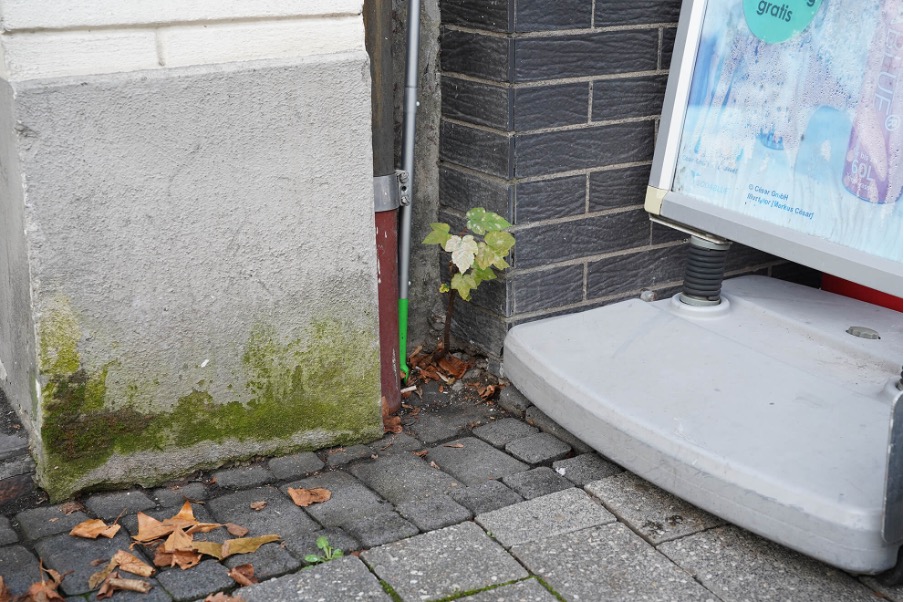
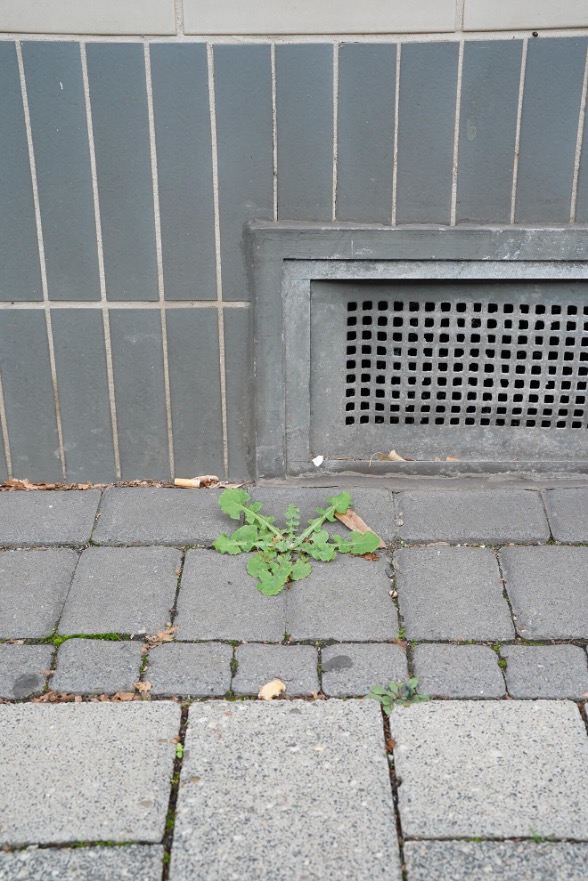
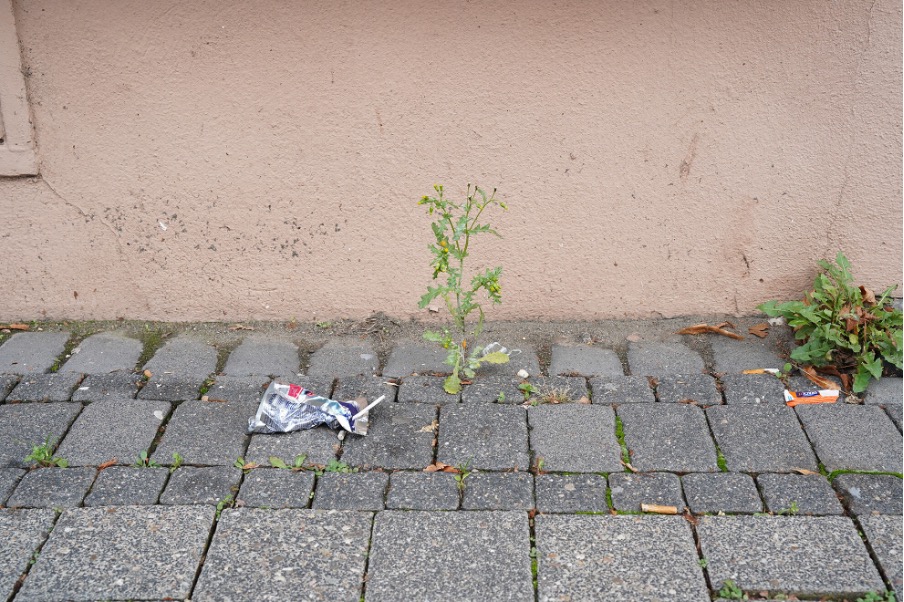
Urban Glitches focuses on plants that wildly grow in the city despite its hostile architecture. Plants that appear in cracks, along roadsides and in neglected urban spaces which often remain unnoticed in everyday life. From an anthropocentric perspective, these plants are considered “weeds”, because they disturb the cityscape, but we shifted our focus on the fragility and subversive nature of those urban greens. Surrounded by rough concrete and heavy bricks, the plants we found looked almost pitiful; fragile organisms overpowered by architectural grids. A marginalized minority whose home was colonized by another species. The fact that they do grow and survive, on the other hand, evokes the impression that they are surprisingly strong and subversive. Those two opposite traits, fragility and subversiveness, were the key motifs of our following field research phase.
During the field research we took a large amount of photographs featuring a variety of plants that wildly grow in Cologne. After gathering all of those, we entered the botanical research phase and used the web-app Pl@ntNet[1] to identify the species. Knowing the botanical definition and origin of the plants helped us gather further information about the respective species online. During the course of that research phase we made some exciting discoveries, for example, that settlers brought the dandelion to North America for medical purposes[2] and that the groundsel is considered a ruderal species, meaning it is often the first species to colonize disrupted lands.[3]
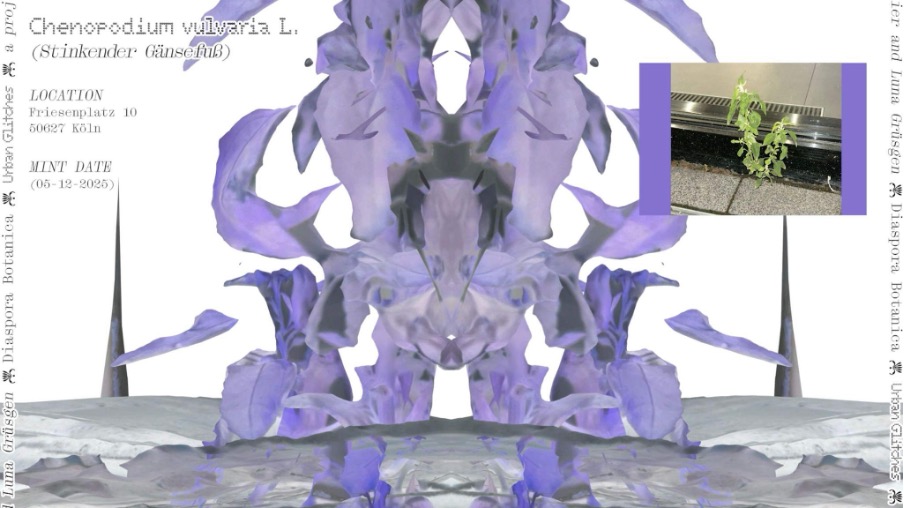
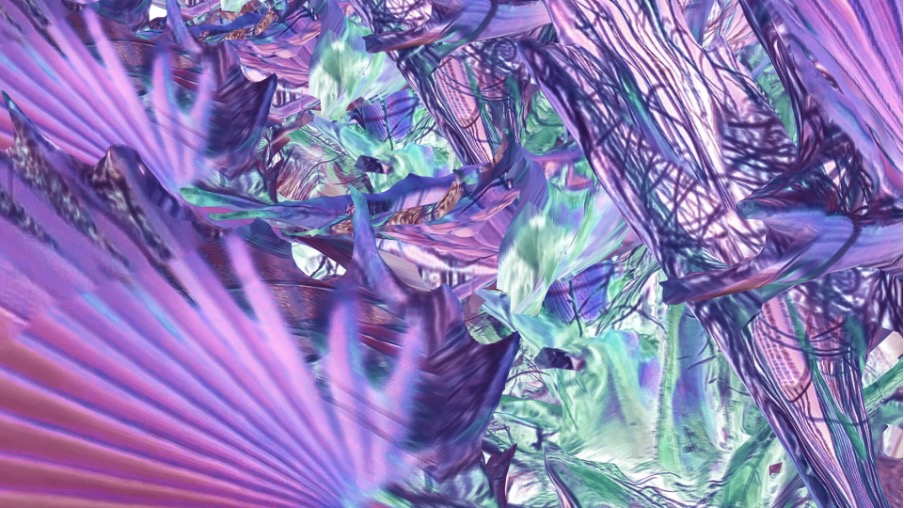
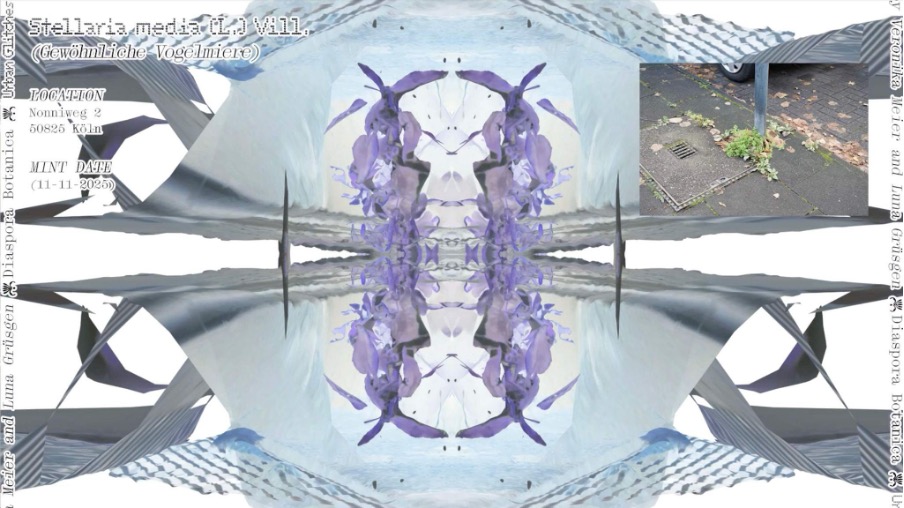
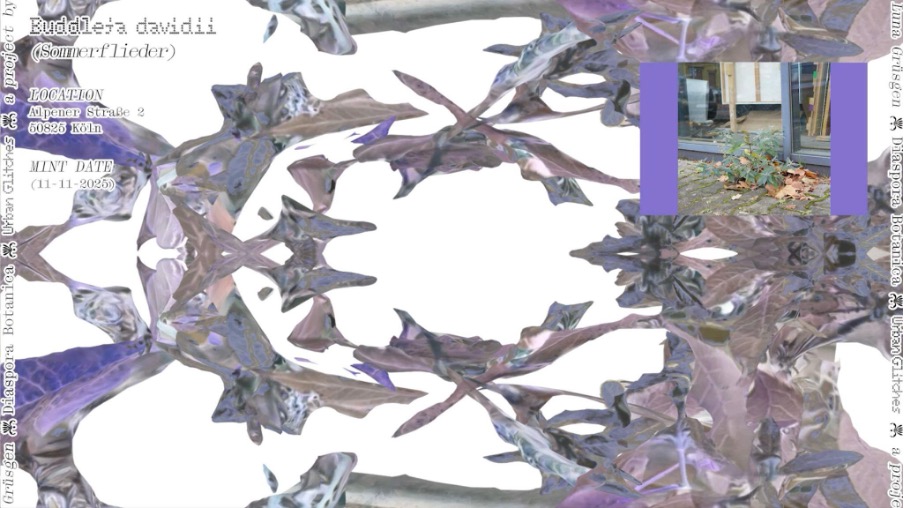
In addition to the photographs, we developed an experimental approach by generating 3D-scans from a number of plants we found in the city. Using a variety of editing software, those scans were rendered and processed, creating an abstract mode of visual representation. Stripping the plants from their origin and reframing them as something beautiful was a choice made in order to emphasize our admiration for their strength and endurance.
For the final video outcome, the abstract visuals were combined with the archival data that resulted from the botanical research. The conceptual plant renderings function as a backdrop for the photographs and further information about the urban plants of Cologne. Functioning as a loop, the video encourages viewers to engage with the content and reflect on the fragility and subversiveness of wild plants in the cityscape.
Stewart-Wade, S. M., Neumann, S., Collins, L. L., & Boland, G. J. (2002). The biology of Canadian weeds. 117. Taraxacum officinale G. H. Weber ex Wiggers. Canadian Journal of Plant Science, 82, 825–853. https://doi.org/10.4141/P01-010