Investigating the Commodification of the Wild

The Commodifying the Wild research consortium investigates the impact of a globalized economy on untouched ‘wild’ nature. Through multidisciplinary research, it aims to deepen understanding of the ecological, social, and political dimensions of commodification.

Unveiling the Interplay Between Global Economy and 'Wild' Nature

The research consortium, Commodifying the Wild funded by the German Research Foundation (DFG), investigates the complex relationship between a globalized economy and the perception of untouched ‘wild’ nature. As climate change and biodiversity loss drive interest in ‘natural’ products, we aim to understand the impact of consumption patterns and production processes on wild ecosystems and local livelihoods.Through two projects, we delve into the complexities of commodifying the ‘wild” by analyzing (1) ornamental fish trade and (2) the political ecology of wild plants.

Exploration of Economy-Wilderness Nexus

We examine the complex interplay between a globalized economy and the idealized concept of "wild" nature, investigating the effects of increasing climate change and biodiversity loss on untouched ecosystems and local livelihoods.

Interdisciplinary Approach

We conduct research in the fields of political ecology, anthropology, geography, and environmental science using a multi-sited and multidisciplinary approach to investigate the trans-regional ecological, social, and political dimensions of natural resource commodification.

Rethinking Political Ecology

Our approach aims to creatively develop the achievements of political ecology. Classical concepts such as governance, value chains and power relations are to be expanded to include phenomenological and aesthetic ones.

Translocal Relations

Facing socio-ecological issues in a globalized economy requires a multi-sited approach that delves into and leverages connections and interactions evolving within global trade networks, which transcend local boundaries and thrive in a geographically dispersed system.

News from our Projects

Stay informed with our latest news, covering a wide range of topics from research insights, non-academic topics to guest contributions in our blog.

ApproachesStories

Permanence / Transience #Diaspora Botanica

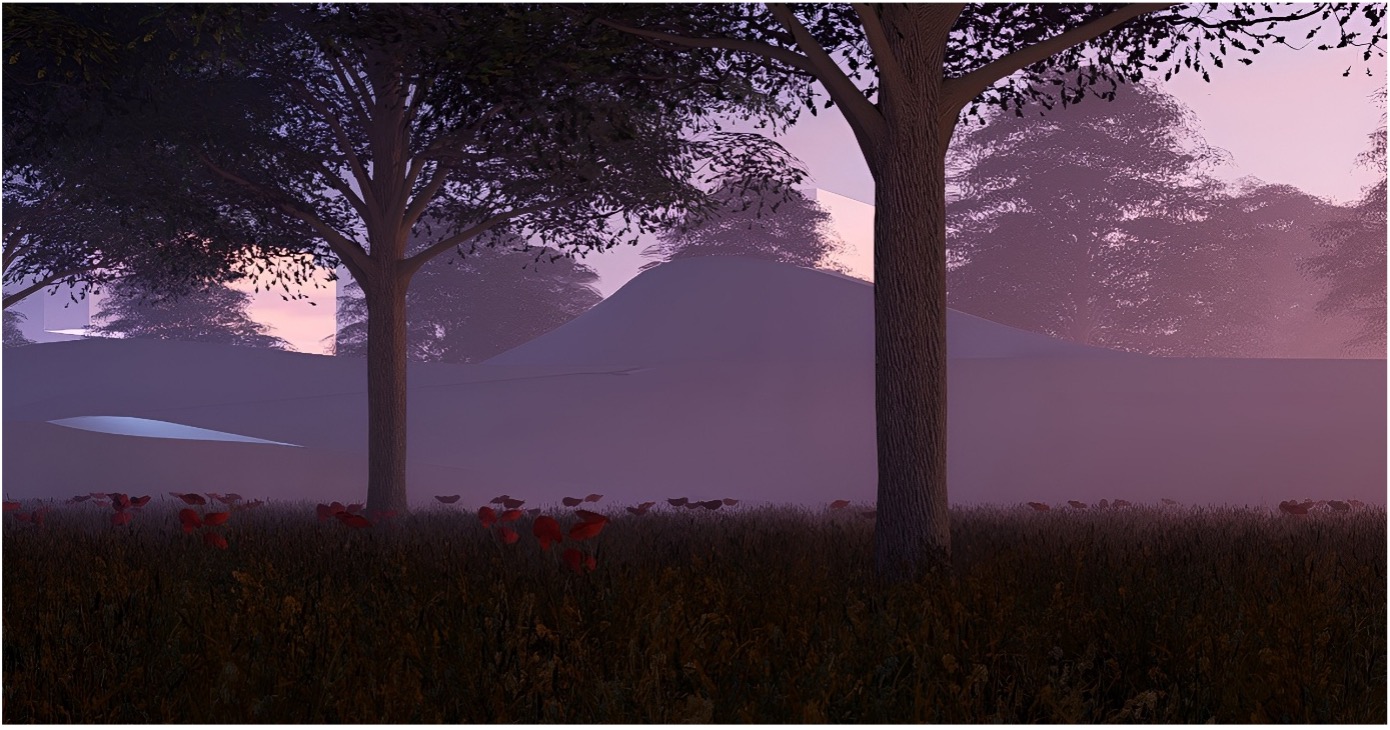
Permanence / Transience #Diaspora Botanica by Alessio Murrone Figure 1: Title image: Placed; visualization of the trunk in landscape setting across the Rheinauhafen, Cologne. Copyright: Alessio Murrone. Short Abstract A philosophical spatial study translating two opposing temporal conditions into architectural ...
Read More
ApproachesStories

Plantmaxxing

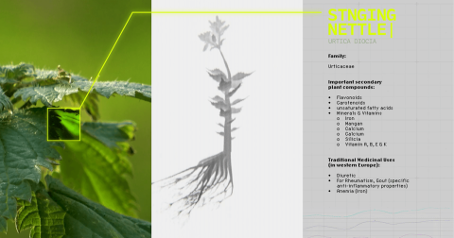
Plantmaxxing by Benedikt Bruchhausen, Lara Dederichs and Maike Sandmann Figure 1: This image shows an exemplary extract from our video “Plantmaxxing”. One can see the three sections, depicting a stinging nessel, the “superplant” and information about the stinging nettle. Copyright: ...

Read More
Publications

New publication on the Wilderness Fetish!

The global expansion of modern conservation rests on a dangerous abstraction: that “wilderness”, understood as pristine untouched nature, exists outside history, labor, and capitalism. Clemens Greiner and Manuel Standop show how this idea is produced and name it the “Wilderness ...

Read More
ApproachesStories

Iter Floris #Diaspora Botanica

Iter Floris #Diaspora Botanica by Romy Berthold and Corinna Schwager Iter Floris, a Digital Flower Bouquet project, emerges as a critical intervention as a decolonial archive. By creating 3D-scanned digital representations of decorative flowers and centering indigenous names, knowledge systems, ...
Read More
ApproachesStories

diaspora_backup #Diaspora Botanica

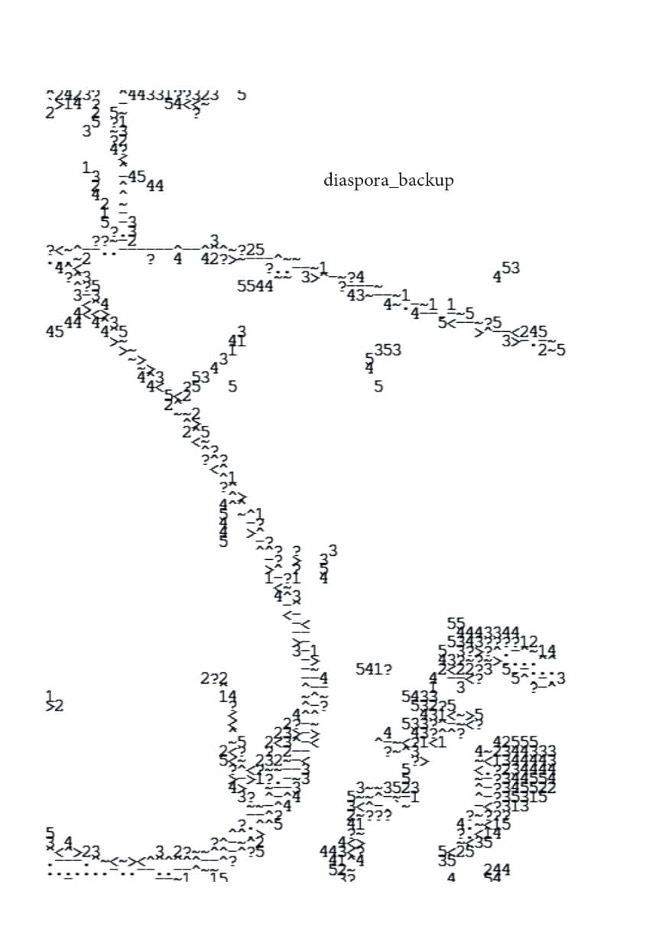
diaspora_backup #Diaspora Botanica by Charlotte Liebergesell and Sascha Lüdtke „diaspora_backup“ archives Cologne’s Otto-Langen-Quartier, a former industrial hub run by many „guest workers“. Just as people migrated here, non-native plants arrived via work boots and trains. Before renovation buries this history, ...
Read More
ApproachesStories

Urban Glitches #Diaspora Botanica

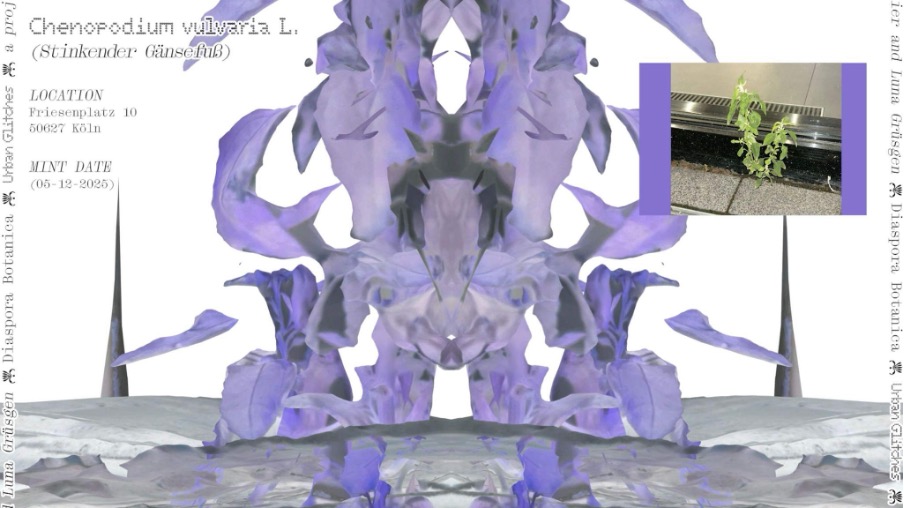
Urban Glitches #Diaspora Botanica by Luna Grüsgen and Veronika Meier In April 2025, BRIDGES and partner initiatives organized a two-day gathering titled Thinking with the Forest. Held in the outskirts of Cologne, the event aimed to explore the role of ...
Read More
ApproachesStories

Forestry & Heritage in times of political crises #Diaspora Botanica

Forestry & Heritage in times of political crises #Diaspora Botanica By Leon Bädorf, Max Kurth and Jan Jurek Waters Figure 1 01 title image showing the timber samples which are at the core of the world forest ID project copyright: ...
Read More
ApproachesStories

Becoming Hyphae #Diaspora Botanica

Becoming Hyphae #Diaspora Botanica Questioning Perspective and the Invisible Mushroom by Lara Benz and Anna C. Schäfer ‘Becoming Hyphae’ is an anthropological design installation that invites people to question their perspectives and positions as humans and dive into the world ...
Read More

Exploring the Intersection of Economy and Wilderness

Our consortium is currently conducting two research projects aimed at investigating the commodification of the “wild,” specifically concentrating on the commercialization of ornamental fish and wild plants.

Our Collaborative Partnerships

Get in Touch

If you have any questions, criticisms or compliments, please do not hesitate to get in touch with us.